Sorry, we could not find the page you were looking for...


Sorry, we could not find the page you were looking for...
Rapid Service has been trusted in thousands of homes for over 30 years. Enjoy our friendly service today.
Schedule a Service Now!When you need a plumber, electrician or boiler technician in Connecticut, choose Rapid Service and experience their First Class customer care. Providing a red carpet service since 1987.
We will provide you with the full cost up-front - for your ease of mind.
We all expect to be treated with respect when someone visits our home, whether they're a guest or a trades-person.
We'll use our red carpet mats to cover work areas so any mess is contained and kept to a minimum.
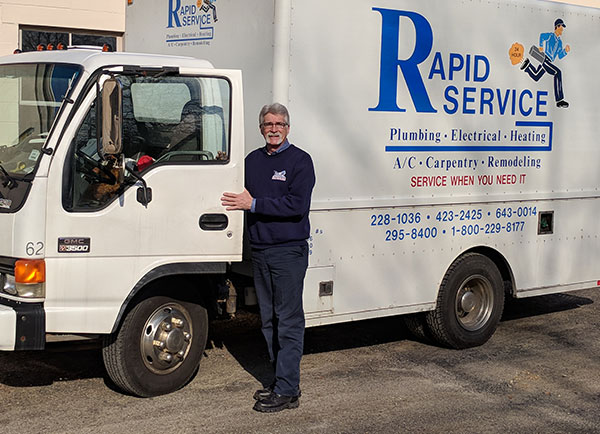
We have teams on-call across Connecticut in fully stocked vehicles with spare parts and tools to perform emergency repairs.
We drive vehicles fully equipped with the necessary tools and spare parts to attend to your repair or service on arrival and FAST!
We've been providing a red carpet service since we opened our doors in 1987. Read what people say about us here.